



























Market Pulse
May 26, 2026
· 👁 127 views
Your Bitcoin Miner Isn’t Broke, Your Power Bill Is Eating It Alive
CR
Crypto Network Forum Blog
by @cryptonetworkforum · May 26, 2026
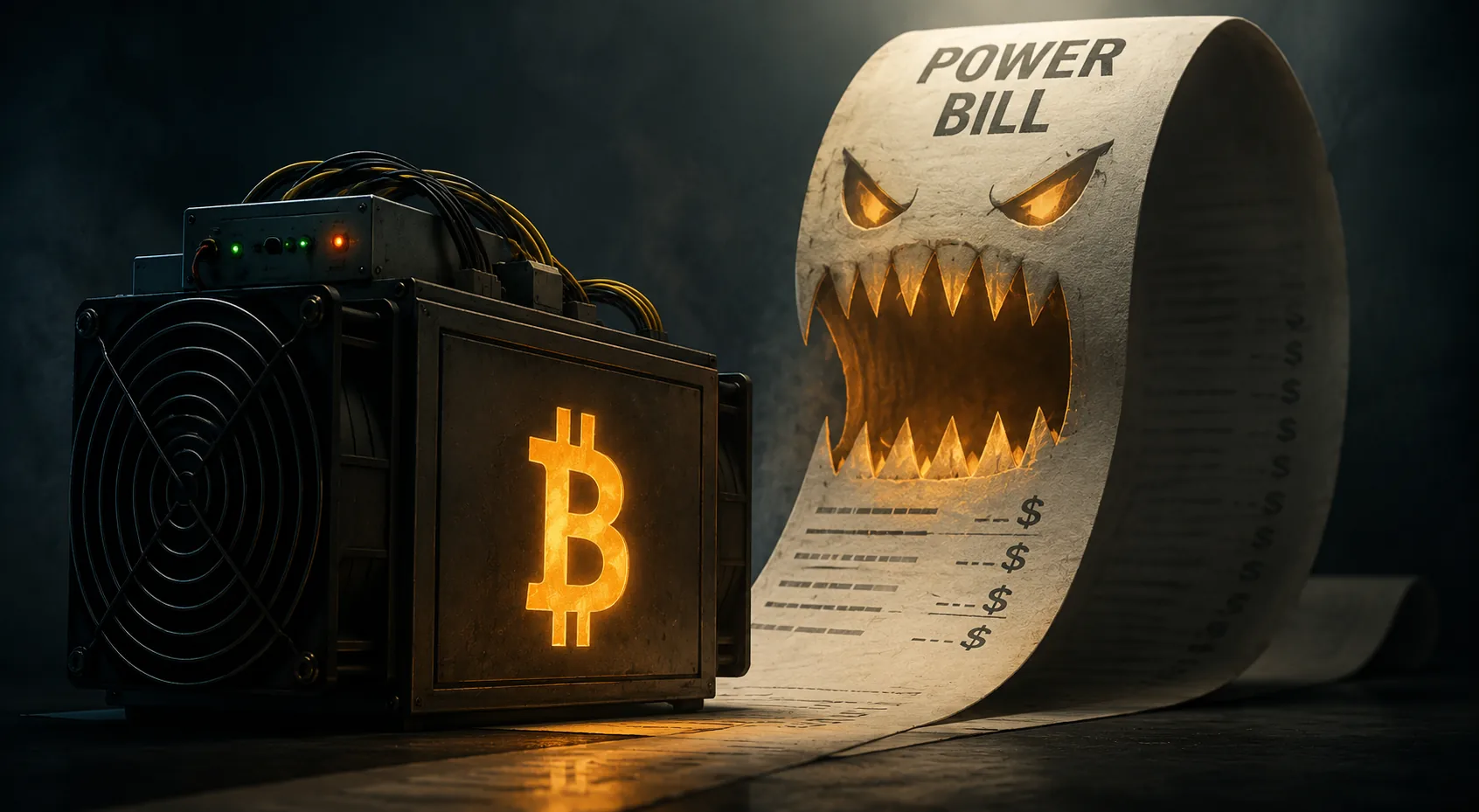
Bitcoin mining in 2026 feels a lot different than the easy-profit days people love to talk about. Hashrate is climbing, competition is brutal, and electricity bills can wipe out profits faster than a bad leverage trade.
On a positive note, Electricity is one of the few things retail miners can still control. You cannot control the Bitcoin price. You cannot control mining difficulty. But you can control how efficiently your rig (a speciaised mining hardware) runs, when it runs, and how much power it burns every day. For retail miners, that difference matters a lot.
Why Electricity Costs Matter More Than Ever
Bitcoin mining is basically converting electricity into BTC rewards. The cheaper and smarter you do it, the better your chances of staying profitable. When mining rewards shrink, electricity becomes the deciding factor between staying online, barely breaking even, or shutting the rig off completely.For most home miners, power costs are the single biggest expense. That means even small improvements can make a noticeable difference over time.
A major metric miners watch is J/TH (joules per terahash). It measures how much energy your ASIC uses to produce hashrate.
Lower J/TH = better efficiency = lower power costs.
First, Know Your Breakeven Electricity Rate
Before changing anything, you need to know your numbers. A surprising number of retail miners have no idea what electricity rate actually keeps them profitable.Step 1 - Measure Daily Power Usage
Use this formula:\text{Daily kWh} = \text{Miner Power Draw (kW)} \times 24
If your ASIC pulls 3.5 kW continuously:
3.5 × 24 = 84 kWh daily.
Step 2 - Calculate Electricity Cost
Use:\text{Electricity Cost} = \text{Daily kWh} \times \text{Rate per kWh}
If electricity costs $0.07/kWh:
84 × 0.07 = $5.88 daily.
That’s your baseline operating cost.
Step 3 - Estimate Daily Mining Revenue
Use mining calculators with:-Your hashrate
-Pool fee
-Current network difficulty
-BTC price
-Uptime percentage
Many miners also track hashprice, which estimates expected revenue per unit of hashrate. New investors should take note that hash price changes constantly.
Step 4 - Calculate Your Actual Margin
Your real profitability looks like this:\text{Mining Margin} = \text{Revenue} - \text{Electricity Cost} - \text{Pool Fees} - \text{Cooling Costs}
If margins get too thin, electricity optimization becomes critical.
Here are Some Important Points to be Considered
Mining is itself a skill that can be learnt and practiced. However, certain measures should be considered by a neo miner.Stop Mining During Expensive Hours
One of the smartest moves retail miners can make is using Time-of-Use (TOU) electricity plans. Many US utility providers charge higher rates during peak hours, lower rates overnight, and mid-range rates during shoulder hours. If you mine 24/7 without checking your rate schedule, you might be burning profits during expensive periods.Electricity pricing can change throughout the day, especially under Time-of-Use (TOU) plans where power costs more during peak demand hours. Retail miners can reduce operating costs by checking their utility provider’s TOU schedule, comparing flat-rate and TOU pricing models, and identifying the most expensive hours for power usage. Many miners shift heavier mining activity to cheaper off-peak windows to improve profitability. Some also automate the process using smart plugs, mining firmware, timers, or home automation systems that control when mining rigs run. Even reducing runtime during expensive hours can noticeably lower monthly costs.
Hybrid Solar Mining Is Growing Fast
A lot of miners hear solar and instantly think free electricity. This is a misconception.Solar setups still involve:
-Installation costs
-Battery storage
-Maintenance
-Weather dependency
-Payback periods
But hybrid setups are becoming popular among retail miners.
Hybrid Mining works because some miners use solar power during the day and cheap off-peak grid power at night. This combination can reduce dependency on expensive daytime electricity pricing.
For miners in high-rate states, hybrid systems can create better long-term stability. The key is calculating the total cost and not chasing the fantasy of free power. As a new investor, making random decisions about investing is frightening. Research well and read more about investment and mining tricks. Sometimes, practically, reading is not sufficient. You get a better idea when you have like-minded mates to discuss your issue with. You can find such discussions on platforms like Crypto Network Forum.
Reduce Downtime Like Your Profits Depend on It
Reduce the downtime because profits actually depend on it. Every minute your ASIC sits offline is lost earning potential. Retail miners often overlook poor ventilation, dust buildup, heat issues, weak internet connections, and cheap power supplies. All of these affect uptime.Some quick ways to improve uptime are to clean rigs regularly, improve airflow, monitor temperatures, use surge protection, keep firmware updated, and track pool connection stability. Efficient mining is not just about cheaper power. It’s also about consistent runtime.
Financing Better Hardware Without Selling Your BTC
Retail Bitcoin mining has become far more competitive than it was during the early boom years. In 2026, success depends less on luck and more on efficiency, planning, and cost control. Miners who actively manage electricity usage, optimize hardware performance, and monitor profitability are far more likely to survive volatile market conditions. While smarter equipment and financing options can help improve operations, long-term sustainability still comes down to disciplined decision-making. In an industry where margins can shrink overnight, reducing electricity costs remains one of the strongest advantages retail miners can control.Do you want to have your own Bitcoin mining setup, or are you struggling with rising electricity costs? Spark the conversation on Crypto Network Forum and share the strategies, tools, and lessons helping you stay profitable in today’s mining market.
Frequently Asked Questions
Many retail miners aim for electricity rates below $0.10/kWh. Lower rates generally improve profitability, especially during periods of low hash price.
J/TH stands for joules per terahash. It measures how much electricity a mining rig uses to produce hashrate. Lower J/TH means better efficiency.
For some retail miners, yes. Mining during cheaper electricity windows can reduce operating costs significantly under TOU pricing plans.
They can be, depending on installation cost, sunlight availability, electricity rates, and long-term ROI. Hybrid setups are often more practical than fully off-grid systems.
If your current miner has poor efficiency and high power consumption, upgrading to a lower J/TH machine may improve long-term profitability.