

























Malta Strengthens Crypto Casino Ambitions as iGaming Sector Expands
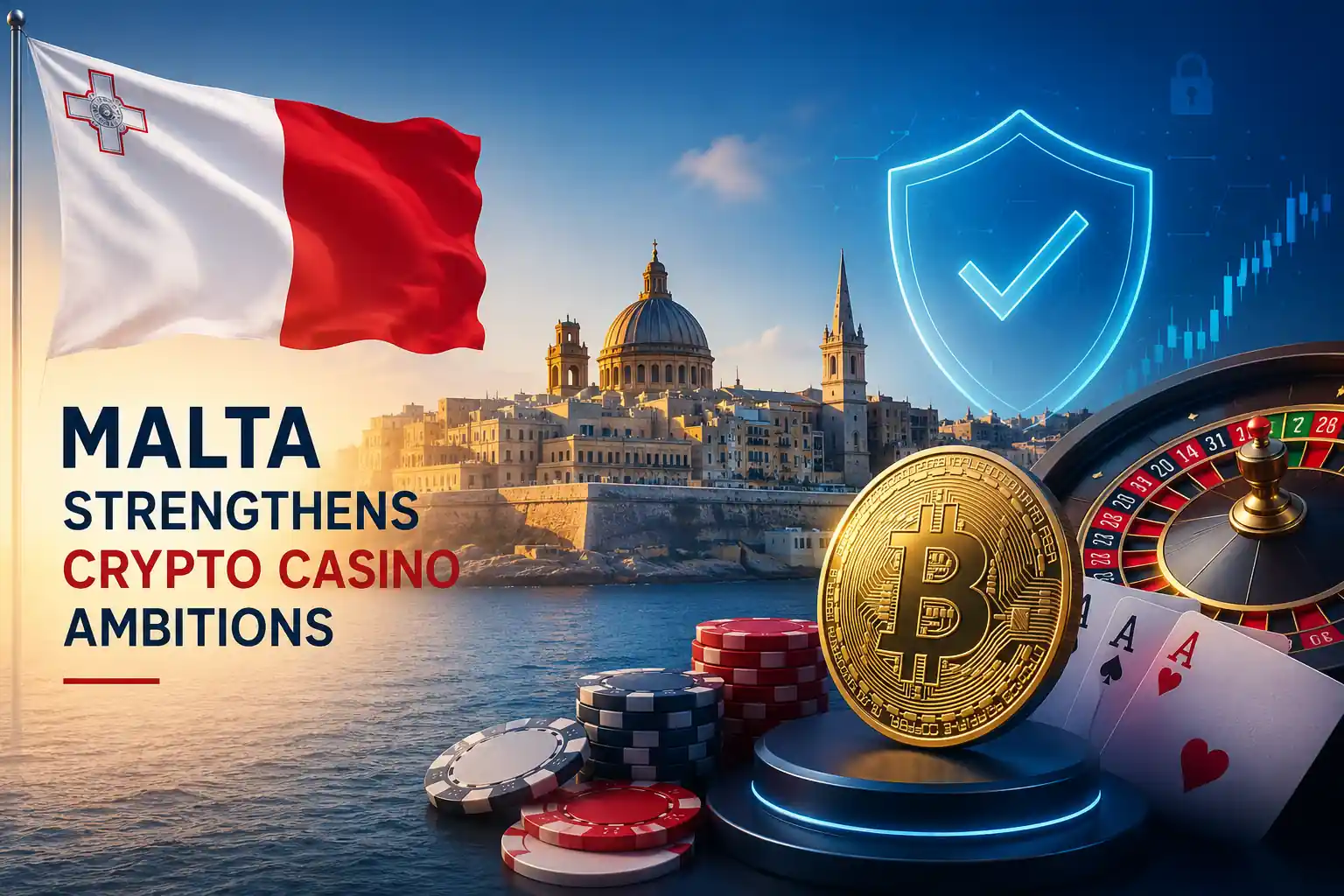
Malta is once again positioning itself at the center of the global crypto gambling industry. It is expanding its focus on blockchain-powered iGaming platforms. Long known as a hub for online gaming operators, the Mediterranean nation is now exploring how cryptocurrencies and Web3 technologies can reshape the future of digital casinos.
The growing interest comes as crypto adoption within online gambling continues to rise worldwide. Players are increasingly turning toward Bitcoin, stablecoins, and other digital assets for faster deposits, lower transaction fees, and greater privacy compared to traditional payment systems.
According to industry discussions highlighted during recent iGaming events in Malta, blockchain integration is becoming more than a niche experiment. Operators are now treating crypto payments, tokenized rewards, and decentralized gaming ecosystems as part of their long-term strategy.
Malta has spent years building its reputation as one of the world’s leading online gaming jurisdictions. The country’s regulatory structure, licensing framework, and business-friendly environment have attracted hundreds of gaming firms over the past decade.
Now, that established infrastructure is helping Malta compete in the next phase of digital gambling innovation.
Industry experts believe the country’s familiarity with fintech regulation gives it a strategic advantage as crypto casinos seek legal clarity and operational stability. While several countries continue to tighten restrictions on crypto-related gambling activities, Malta appears to be focused on balancing innovation with compliance.
The push also aligns with Europe’s broader digital finance ambitions, where blockchain adoption and tokenized payment systems are gradually moving into mainstream financial discussions.
Crypto Casinos Continue Growing Globally
Crypto casinos have expanded rapidly in recent years, especially in markets where users seek borderless payment options and instant settlements. Many platforms now support major cryptocurrencies such as Bitcoin, Ethereum, and USDT, allowing users to gamble without relying heavily on banks or card processors.
Supporters argue that blockchain technology can enhance transparency in gaming through provably fair systems, allowing users to independently verify game outcomes.
At the same time, regulators remain cautious about risks tied to money laundering, consumer protection, and underage gambling. This has led several jurisdictions to tighten oversight around crypto betting operations.
Malta’s strategy appears aimed at creating a regulated environment where blockchain gaming companies can operate legally while maintaining compliance standards.
Web3 and Tokenization Could Shape the Future
Beyond crypto payments, industry leaders are also discussing how Web3 tools may reshape player engagement. NFT-based loyalty systems, tokenized rewards, metaverse casinos, and blockchain identity verification are increasingly entering conversations across the iGaming sector.
Analysts believe the integration of AI, blockchain, and digital assets could transform how online casinos attract and retain users over the next few years.
However, mainstream adoption still depends on clearer regulation and stronger consumer trust. Market volatility and evolving legal frameworks continue to be major challenges for crypto gambling operators globally.
As competition intensifies among gaming jurisdictions, Malta appears determined to maintain its position as a major destination for crypto-focused iGaming innovation.